The Illusion of Winning: What Free Mobile Games Don't Want You to Figure Out
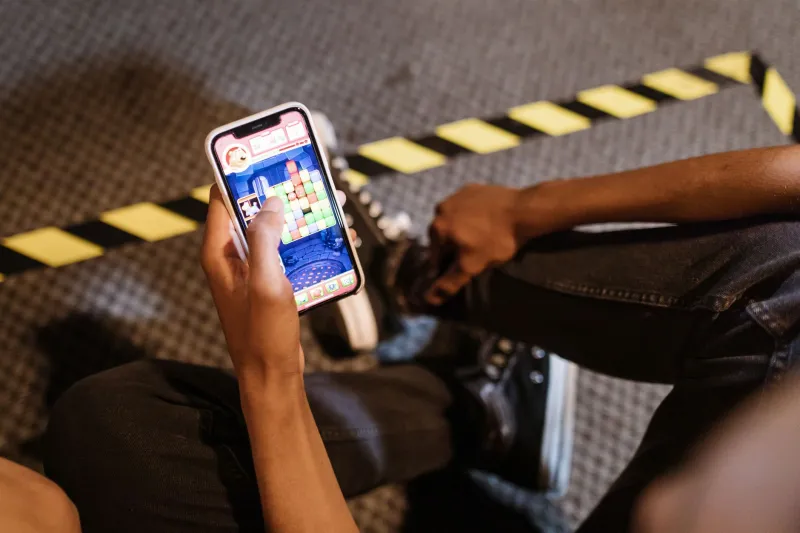
Downloading a free game feels like a gift. No credit card, no commitment — just pure, instant entertainment. And for the first hour or two, it really does feel that way. You're breezing through levels, stacking up coins, unlocking characters. You're winning.
Except you might not be. At least, not in the way you think.
Free-to-play games are one of the most profitable business models in the history of entertainment. The global mobile gaming market topped $90 billion in revenue in recent years, and the overwhelming majority of that money came from games that cost exactly zero dollars to download. So how does free become billions?
The answer lives in your brain — and in the very specific ways these games are designed to work on it.
The Honeymoon Phase Is a Business Decision
Every free-to-play game has what designers call an "onboarding" period. During this phase, the game is almost embarrassingly easy. You win constantly. Rewards pour in. The UI lights up with animations and sounds every few seconds. It feels great.
This isn't accidental generosity. It's conditioning.
Game designers know that the emotional high of early wins creates what psychologists call a "variable reward loop" — the same neurological mechanism behind slot machines. Your brain gets a hit of dopamine every time you level up or unlock something new. The game is training you to associate play with reward.
Once that association is locked in, the difficulty curve shifts. Progress slows. The wins get harder to come by. And right at that moment of frustration, the game offers you a solution: spend a little money to keep the momentum going.
Cosmetics Are Not as Innocent as They Look
One of the most common arguments you'll hear defending free-to-play monetization is that cosmetic purchases don't affect gameplay. You're just buying a different-colored hat for your character, right? Nobody's forcing you.
That's technically true — but it ignores how cosmetics function psychologically.
In many arcade and casual games, cosmetic items are tied to identity and social status within the game. Rare skins, exclusive emotes, and limited-edition character designs signal that you've "been there" — that you're a dedicated player. For younger audiences especially, these signals matter. The fear of missing out on a limited-time cosmetic isn't irrational; it's engineered.
Designers deliberately create artificial scarcity. "Available for 48 hours only." "Only 200 left." These aren't inventory constraints — they're psychological levers designed to override your rational decision-making and push you toward an impulsive purchase.
Battle Passes: The Subscription You Forgot You Signed Up For
Battle passes have become the dominant monetization structure in modern gaming, and they're especially prevalent in mobile arcade titles. For a flat fee — usually between $5 and $15 — you unlock a seasonal track of rewards that you earn by playing regularly.
On the surface, this seems like a fair deal. You're paying for content, and you get it by playing the game you already enjoy. The problem is in the commitment mechanics baked into the structure.
Battle passes expire. If you don't log in and complete challenges consistently, you lose access to rewards you've already paid for. This creates a subtle but powerful psychological pressure to keep playing — not because you want to, but because you feel obligated. You've already spent the money. Walking away feels like waste.
This is called the "sunk cost fallacy," and game designers know exactly how it works.
Fake Currency Is Real Money in Disguise
Here's a trick almost every free-to-play game uses: they replace real dollar amounts with fictional in-game currency. Instead of spending $4.99, you spend 500 "gems" or 1,200 "coins."
This abstraction isn't for convenience. It's to make spending feel less real.
Research consistently shows that people spend more freely when transactions are denominated in abstract units rather than actual dollars. When you buy a bundle of 2,000 gems for $19.99 and then spend 350 gems on an item, the connection between that item and real money becomes fuzzy. The psychological friction of spending disappears — and that's entirely by design.
Some games add another layer by selling currency in bundles that never divide evenly into item costs, ensuring you always have leftover currency that nudges you toward buying more.
Progress Systems That Move the Goalposts
Another common tactic is the endlessly shifting progression system. Just when you hit a milestone — max level, full gear set, complete collection — the game expands. A new season launches. A new tier unlocks. The finish line moves.
For players who've invested significant time (and money), this can feel deeply frustrating. But it also keeps them playing. The sense of an achievable goal just out of reach is one of the most powerful motivators in game design.
The key question to ask yourself: are you playing because you're having fun, or because you're chasing a reward the game promised you weeks ago?
How to Play Smart Without Getting Played
None of this means free-to-play games are evil or that you should avoid them. Many genuinely great games use this model, and plenty of players enjoy them for years without spending a dime. The key is awareness.
A few practical habits worth building:
- Set a monthly budget for in-game spending and treat it like any other entertainment expense.
- Wait 24 hours before making any purchase triggered by a limited-time offer.
- Convert gem prices back to dollars before buying. Make the cost feel real.
- Ask yourself why you're logging in — is it for fun, or to protect a streak?
- Uninstall without guilt if a game stops being enjoyable and starts feeling like a job.
Free-to-play gaming can be a fantastic, low-commitment way to enjoy great games. The arcade-style titles in this space especially — fast, fun, endlessly replayable — offer real entertainment value at no upfront cost. Just go in with your eyes open.
Because the best win in any free game? Knowing exactly what's being played — and playing it anyway, on your own terms.