Clock's Ticking: How Speedrunning Turned Casual Play Into a Competitive Art Form
There's a particular kind of focus that takes over when you're gunning for a personal best. Your thumbs hover. Your eyes lock in. The clock starts, and suddenly every fraction of a second feels like its own tiny war.
That's speedrunning. And it's no longer just for hardcore gamers hunched over consoles at 2 a.m.
From Basements to Broadcast
Speedrunning has been around since the early days of gaming — players have been racing through Doom levels and Super Mario Bros. since the '90s. But what transformed it from a quiet subculture into a legitimate competitive pursuit was streaming. Platforms like Twitch and YouTube gave speedrunners an audience, and that audience turned out to be massive.
Events like Games Done Quick — a charity speedrunning marathon held twice a year — now raise millions of dollars per event and attract hundreds of thousands of live viewers. In 2023 alone, Awesome Games Done Quick pulled in over $2.6 million for charity. That's not niche. That's a sport.
And here's the thing: arcade-style and casual games are right at the center of it.
Why Arcade Games Are Speedrunning's Secret Weapon
Classic arcade games were basically designed for speedrunning before speedrunning had a name. Short levels, tight mechanics, instant restarts — these are the building blocks of a game that rewards mastery through repetition. When you strip away the narrative and the cutscenes, what you're left with is pure mechanical challenge. That's catnip for competitive players.
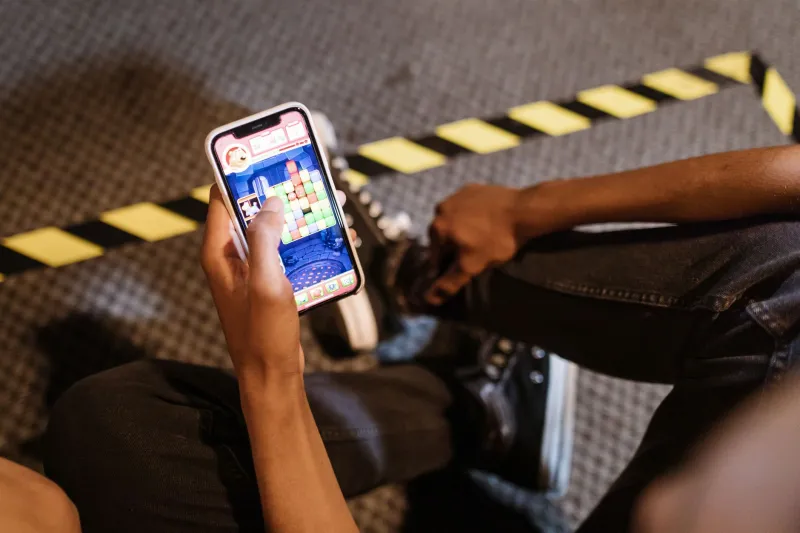
Mobile arcade games have picked up that same torch. Titles with simple rule sets but deep skill ceilings — think endless runners, reflex-based tap games, or score-attack puzzlers — are fertile ground for runners who want to optimize every move. The accessibility of mobile platforms means anyone can download the game, start grinding, and potentially compete on a global leaderboard without owning a $500 console.
That low barrier to entry is a big deal. It means the speedrunning community is pulling in players who never considered themselves "serious gamers" — and turning them into people who study frame data and route optimization on their lunch breaks.
The Language of Going Fast
If you're new to speedrunning culture, the vocabulary can feel like a foreign language. Here's a quick crash course:
- Any% — Complete the game as fast as possible, by any means necessary. Glitches, skips, and exploits are all fair game.
- 100% — Finish everything the game has to offer, as quickly as possible.
- Glitchless — Beat the game fast, but without exploiting bugs or unintended mechanics.
- PB — Personal Best. Your fastest recorded run.
- WR — World Record. The fastest anyone has ever completed the run.
- Sub-X — Breaking a specific time barrier (e.g., "going sub-10 minutes" in a particular game).
These terms show up in Twitch chat constantly. Once you know them, watching a speedrun becomes a completely different — and way more engaging — experience.
Communities That Live and Breathe the Clock
Speedrunning's social layer is arguably as important as the gameplay itself. Websites like Speedrun.com host verified world records for thousands of games, including mobile and browser-based titles. Discord servers dedicated to single games can have tens of thousands of members who share routes, discover glitches, and celebrate each other's personal bests.
This community-driven structure is what separates speedrunning from other competitive gaming pursuits. There's no publisher controlling the meta. There's no ranked ladder managed by a corporate team. It's players, for players, building something collaborative out of pure love for going fast.
And the competitive stakes are real. Games Done Quick features runners who have spent years perfecting their craft. Prize pools for specific games — sometimes crowd-funded through fan communities — can reach thousands of dollars. For top runners in popular categories, speedrunning isn't just a hobby. It's a career.
The Casual Player's Entry Point
You don't have to be chasing world records to get something out of speedrunning culture. For casual players, the mindset alone is worth borrowing.
Thinking about how you play — not just that you play — sharpens your skills in ways that pure repetition doesn't. When you start asking "why did I die there?" or "is there a faster route through this level?" you're engaging with game design in a completely different way. Suddenly, a game you've played a hundred times has new layers to explore.
That's the magic of speed culture bleeding into casual gaming. It turns passive entertainment into active problem-solving. And in the arcade-style gaming space — where fast reflexes and quick decision-making are already rewarded — that mindset fits like a glove.
What's Next for the Speed Scene
The speedrunning community isn't slowing down. If anything, the rise of mobile gaming is expanding the pool of eligible games faster than runners can explore them. New arcade titles drop constantly, each one a potential speedrunning category waiting to be discovered.
As streaming technology improves and platforms experiment with interactive content, the line between watching a speedrun and competing in one is getting blurrier. Some developers are even building speedrunning modes directly into their games — in-game timers, ghost replays, leaderboards — because they recognize the community exists and wants to be served.
For players who want more than just a high score, speedrunning offers something deeper: a way to measure progress, connect with a global community, and prove — second by second — that you're getting better.
The clock is always ticking. The question is what you're going to do with the time.