Fifteen Seconds to Famous: How Short-Form Video Turned Forgotten Arcade Games Into Must-Plays
In the spring of 2023, a mobile port of a mid-2000s arcade redemption game sat quietly in the lower depths of its app store category, accumulating a modest few thousand downloads over several years of existence. Then a creator in Phoenix posted a 14-second clip of herself landing an absurdly unlikely combo, screamed into the camera, and watched the video hit 4 million views in 72 hours. The game's download numbers jumped 3,000 percent in a week. The developer — a small studio that had largely moved on to other projects — scrambled to push an emergency server update to handle the traffic.
This story is not unusual anymore. It's practically a genre.
Short-form video has become the most powerful discovery engine in gaming that nobody in the traditional industry fully planned for. And nowhere is its impact more concentrated, more chaotic, and more genuinely fascinating than in the arcade and casual gaming space.
The Algorithm Doesn't Care About Release Dates
One of the most disorienting things about viral gaming content is how completely it ignores the conventional logic of game marketing. A major studio can spend millions on a launch campaign and generate a fraction of the buzz that a single well-timed clip from an unknown creator produces. More importantly, that clip can be about any game — including ones that came out years ago and were considered commercially finished.
The arcade genre is particularly susceptible to this dynamic, for a simple reason: arcade games are built around visible, shareable moments. A perfect run. An impossible comeback. A score that defies belief. These are exactly the kinds of moments that perform on TikTok and YouTube Shorts, where the loop is short, the payoff is immediate, and the viewer's reaction — "wait, what game is that?" — is the entire point.
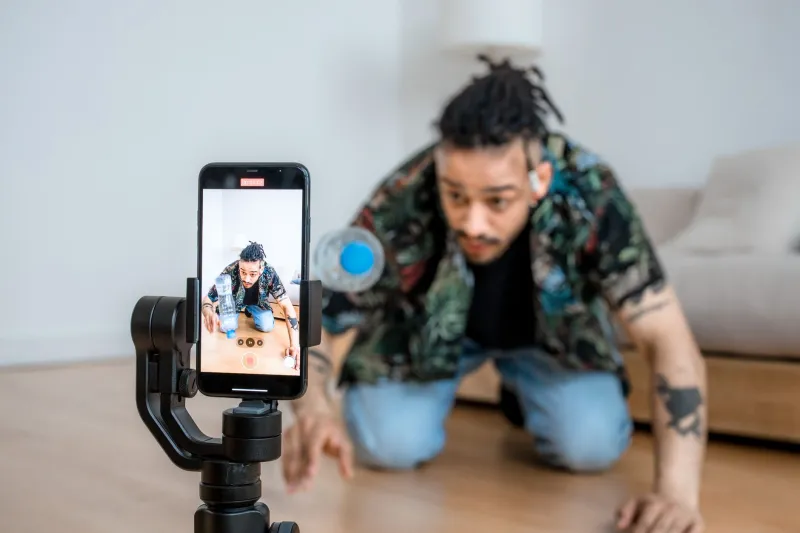
"The best arcade content almost doesn't need context," says Tyler Nguyen, a gaming content creator based in Los Angeles with over 800,000 TikTok followers. "You see someone pull off something insane in three seconds and you want to know how to do it. That curiosity is what drives downloads. I've had clips of games from 2012 blow up and I'll get DMs for weeks asking what the game is called."
Nguyen has a dedicated series where he highlights what he calls "forgotten gems" — arcade and casual games that never got mainstream attention but contain genuinely impressive skill ceilings. Several of these videos have driven measurable, verifiable spikes in the games' active player numbers.
Case Study: The Pinball Comeback
Physical pinball machines have experienced a well-documented resurgence in recent years, fueled in part by the barcade trend. But digital pinball — specifically mobile and browser-based pinball games — got a secondary boost from an unexpected source: ASMR-adjacent TikTok content.
Creators began posting close-up, high-quality audio captures of pinball gameplay. The sounds — the crack of the ball, the mechanical thwack of flippers, the cascading bell tones of bumpers — turned out to be extraordinarily satisfying to watch in short-form format. Videos tagged #pinball on TikTok have accumulated hundreds of millions of views collectively, and the effect on digital pinball app downloads has been measurable. Several developers have cited the trend directly in their public communications.
The lesson here isn't just that pinball sounds cool on video (though it does). It's that the sensory qualities of arcade games — qualities that translate even through a phone speaker — are a massive untapped asset for content creation. Nobody was making that content intentionally. It emerged organically, and the games benefited enormously.
The Creator Economy Meets the Arcade Economy
For content creators who specialize in gaming, the arcade space offers something that big-budget titles often don't: accessibility. Anyone can understand what's happening in a good arcade clip. You don't need 40 hours of lore context to appreciate someone threading a perfect run through a bullet-hell shooter or hitting a 200-combo in a rhythm game.
This accessibility makes arcade content punchy, shareable, and extremely friendly to the short-form format's core requirement: immediate comprehension. The viewer has to understand what they're seeing within the first second or two, or they scroll. Arcade games, almost by definition, communicate stakes and action instantly.
"I tried making content about RPGs and strategy games for a while," says Keisha Morales, a Chicago-based creator who pivoted to arcade-focused content about two years ago. "The clips were fine but they didn't hit. When I started doing arcade stuff — timing challenges, score runs, weird obscure games — everything changed. People get it immediately. They feel it."
Morales now runs a recurring series she calls "Arcade Archaeology" in which she hunts down and plays games that peaked in popularity before most of her audience was born. The series consistently outperforms her other content and has driven several of the featured games to renewed relevance on mobile platforms.
What Happens to the Arcade Bars
The relationship between viral arcade content and physical arcade venues is one of the more interesting downstream effects of this trend. Barcade and arcade bar owners across the country have reported a consistent pattern: a game goes viral on TikTok, and within weeks, customers are coming in specifically asking for that machine.
In some cases, venues have used this dynamic proactively — placing specific machines near good lighting, ensuring their social media tags are visible on the cabinets, and occasionally seeding content by inviting creators in for dedicated filming sessions. It's guerrilla marketing that costs almost nothing and can pay off significantly.
"We had a clip of someone getting a perfect score on our original Pac-Man cabinet go mildly viral — like 200,000 views, nothing crazy," says the manager of a barcade in Nashville who asked not to be named. "For three weeks straight, people were coming in and heading straight to that machine. Some of them had never been here before. That one clip probably brought in 40 or 50 new regulars."
The New Arcade Floor
There's a useful way to think about what TikTok and YouTube Shorts have done to game discovery: they've recreated the social function of the old arcade floor, but at national scale and with algorithmic curation.
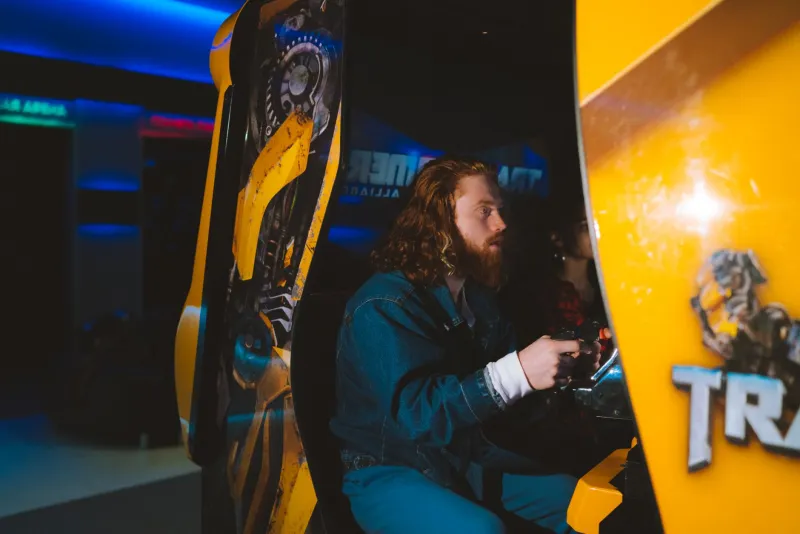
In a physical arcade, you discovered games by watching other people play them. You'd wander past a cabinet, see someone doing something impressive, and stop. The crowd gathered around the best player was its own form of content. That discovery mechanism — social, visual, immediate — is exactly what short-form video has replicated in digital form.
The algorithm is the crowd. The creator is the player everyone's watching. And the 15-second clip is the moment that makes you want to step up and try.
The quarter is optional. The obsession is not.