Chasing Clocks: How Regular Players Are Shattering Records on Arcade Games Nobody Expected to Go Competitive
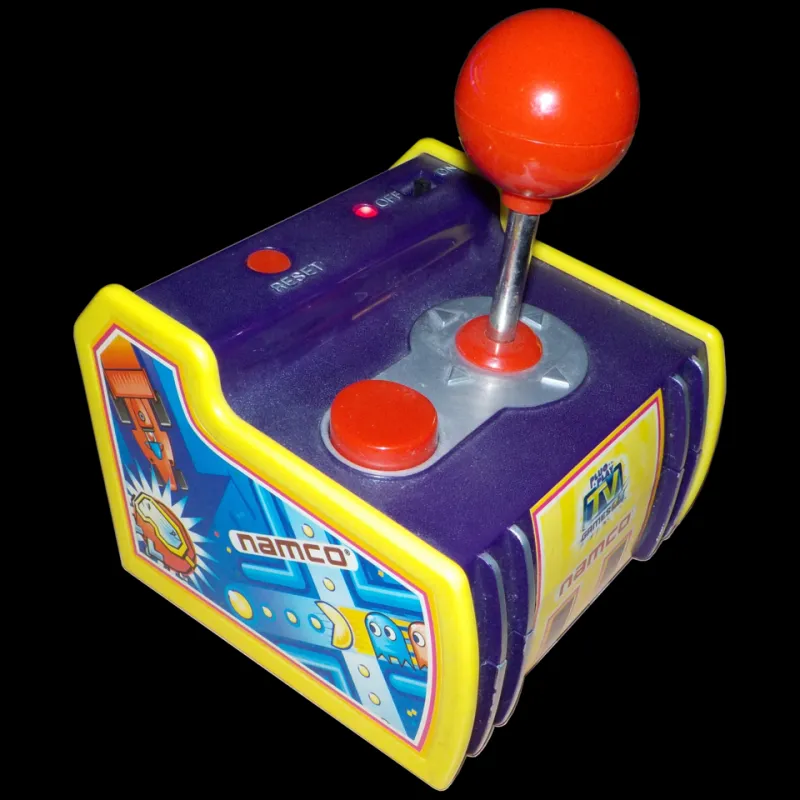
Photo: LABcrabs, CC0, via Wikimedia Commons
There's a particular kind of satisfaction that comes from finishing a game fast. Not just fast — impossibly fast, in a way that makes other players rewind the footage just to confirm what they saw. That feeling is at the heart of a movement that's quietly been building steam across gaming communities online, and it's centered on some of the most familiar titles in arcade history.
Speedruns used to live almost exclusively in the world of console RPGs and platformers — the kind of games with long save files and winding storylines that runners could exploit with glitches and sequence breaks. But something shifted. Players started pointing their timers at arcade games, and what they found surprised everyone, including themselves.
The Games Nobody Expected to Have Depth
Take something like Galaga or Centipede — games that most people think of as quarter-munchers, simple loops designed to drain wallets and kill time. Turns out, both titles have intricate scoring mechanics, enemy pattern behaviors, and frame-level timing windows that reward mastery in ways casual players never notice. Once speedrunners started digging in, entire meta-games emerged from titles that had been sitting in arcades and emulators for 30-plus years.
The same story played out with browser-based and mobile arcade games. Titles that launched with zero competitive intent — simple tap games, endless runners, retro-style shooters — suddenly had communities building around optimal routes and sub-second improvements. At 1112 Game, we've seen players return to games on the platform specifically because someone posted a record run in a Discord server and sparked a rivalry.
"I didn't think I was doing anything special," said one runner who goes by the handle BlastRadius88 and holds a top-three time on a classic space shooter. "I just kept playing and noticed I could do certain sections cleaner. Then I posted it and people started asking how I did it. That's when it clicked — this was actually a community."
The Tools That Made It Possible
Speedruns don't happen in a vacuum. The infrastructure behind the movement is surprisingly robust for something that started as a hobby. Sites like Speedrun.com gave runners a central place to submit times, verify records, and track leaderboards across thousands of games — including hundreds of arcade titles that had never seen official competitive play.
On top of that, screen recording software dropped to near-zero cost. OBS, Nvidia's built-in capture tools, and smartphone recording apps meant anyone could document and share a run without spending a dime. Frame-counting tools let players analyze footage with surgical precision, identifying exactly where time was gained or lost.
Discord did the rest. Tight-knit servers formed around specific games, sometimes with only 50 or 60 members who knew every pixel of a particular title. These communities became knowledge banks — repositories of strategies, glitch discoveries, and split-by-split breakdowns that turned newcomers into competitors within weeks.
The Psychology of the Leaderboard
Here's the thing about a leaderboard: it doesn't care how long you've been playing. A runner who picked up a game last month can theoretically outpace someone who's been at it for years if they find the right line. That meritocracy is a huge part of the appeal.
Sports psychologists who study competitive gaming point to what's called "proximal goal motivation" — the idea that people push harder when a target feels reachable. A world record in a major console title might be untouchable for 99% of players, but a top-ten spot on an obscure arcade game? That's a weekend of focused grinding away. The leaderboard becomes a ladder with rungs you can actually see.
"It's not about being the best in the world at everything," explained one community moderator who oversees a leaderboard for a retro-style arcade shooter with over 400 registered runners. "It's about being the best at this thing. That specificity is what hooks people."
Old Games, New Life
The downstream effect on the games themselves has been remarkable. Titles that were functionally dormant — no new players, no discussion, just sitting on emulation sites collecting digital dust — have seen surges in downloads and play sessions after a speedrun video goes viral. Developers of modern indie arcade games have started paying attention, some deliberately building in timing mechanics and category-friendly structures to court the speedrunning crowd before launch.
For players on platforms like 1112 Game, where arcade-style titles are the whole point, this trend means familiar games are suddenly worth revisiting with fresh eyes. A game you've played a hundred times looks completely different when you're asking "how fast can I actually finish this?" instead of "how long can I survive?"
The records will keep falling. New runners will find new tricks. And somewhere out there, someone is staring at a leaderboard with a time that looks just barely beatable — and reaching for the play button.
That's the arcade spirit, really. It always has been.