Tokens Are Back: The Real Reason Physical Arcades Are Popping Up Everywhere Again
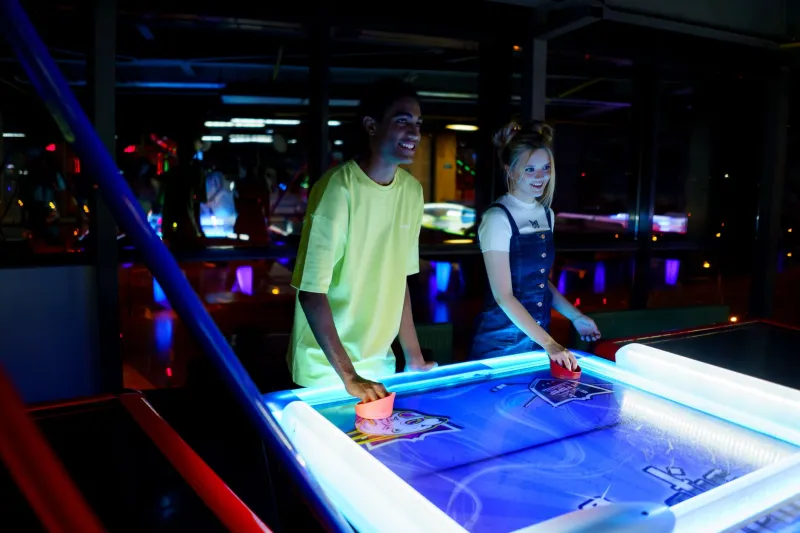
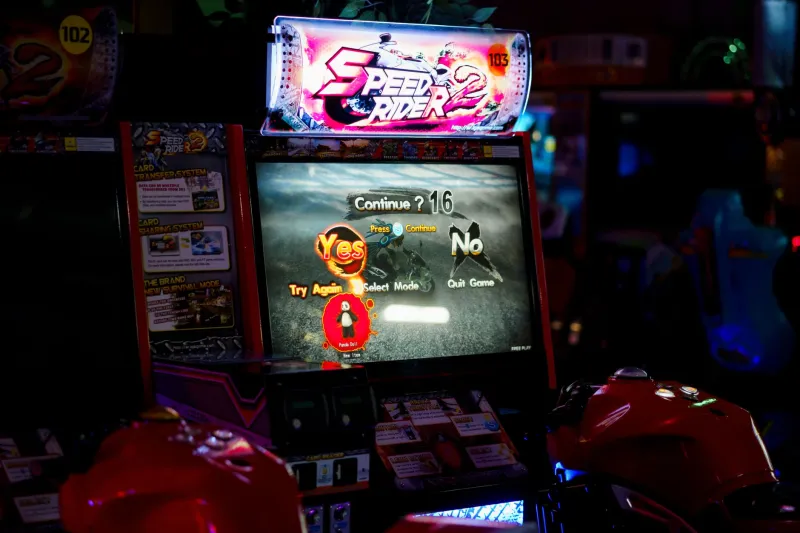
Walk through a mid-sized American mall on a Friday night and you might notice something that feels weirdly familiar. Neon lights bleeding into the corridor. The unmistakable sound of a racing game engine revving. A cluster of people crowded around a machine, elbowing each other, laughing. The arcade is open — and it's not empty.
This isn't a one-off nostalgia experiment. Physical arcade venues are opening across the country at a pace that would have seemed ridiculous five years ago. From barcade concepts in Chicago and Austin to family entertainment centers in suburban strip malls in Ohio and Georgia, the coin-op comeback is real, it's growing, and it says a lot about how Americans actually want to play games right now.
What Killed the Arcade — and What Brought It Back
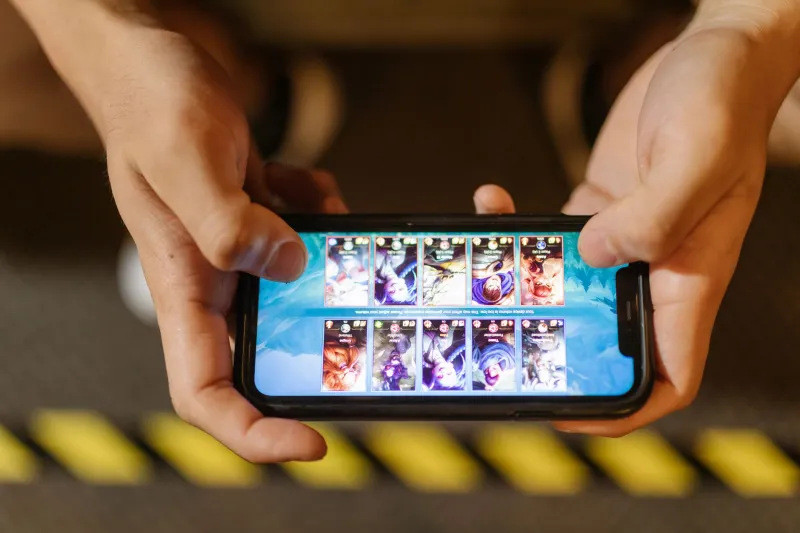
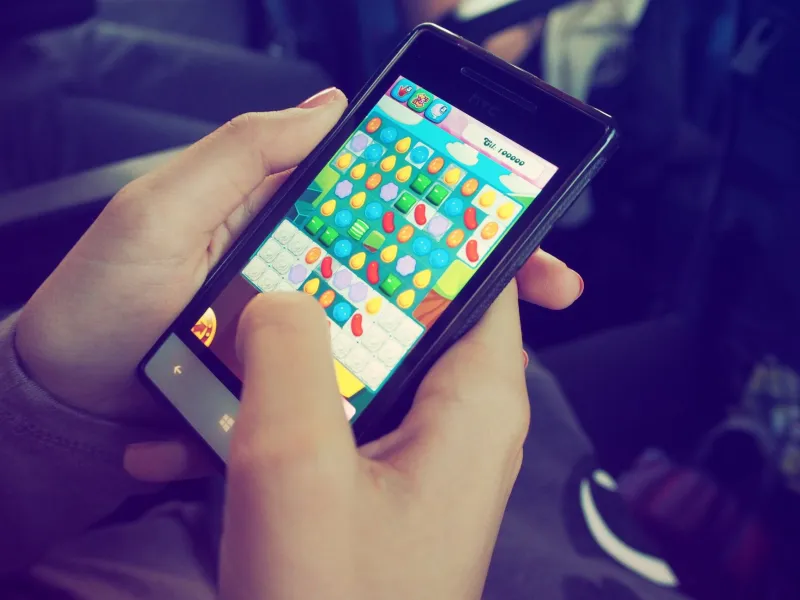
Let's be honest about what happened. Home consoles got good enough in the late '90s that the core reason to visit an arcade — access to hardware you couldn't afford at home — basically evaporated. Then smartphones arrived and handed everyone a pocket gaming device. Arcades looked like dinosaurs.
But here's the thing about dinosaurs: sometimes the conditions change and they evolve.
The same smartphone era that seemed to bury arcades also created a generation of players who grew up gaming alone. Scrolling solo. Grinding levels in their bedroom. And after years of that, a lot of people — especially millennials and older Gen Z — started craving something different. Something physical. Something shared.
"People come in here and they exhale," says Marcus Webb, who opened a retro arcade lounge in Columbus, Ohio two years ago. "They're not staring at a tiny screen by themselves. They're standing next to a stranger and competing for the same high score. That's a social experience you literally cannot replicate on your phone."
Marcus's venue, which mixes classic cabinets like Galaga and Street Fighter II with modern redemption games and a craft beer menu, has been profitable since its sixth month. He's not alone in that success.
The Barcade Blueprint and Why It Works
The barcade model — part bar, part arcade — deserves a lot of credit for reigniting public interest in physical gaming spaces. By pairing nostalgic cabinets with alcohol service, these venues gave adults a reason to show up that had nothing to do with childhood memory. It was just a fun night out.
But the resurgence isn't limited to the bar crowd. Family entertainment centers are expanding their footprints too, layering arcade sections into larger venues that include bowling, laser tag, and food service. Dave & Buster's has been doing this for decades, but the concept has filtered down to regional and independent operators who are finding their own version of the formula.
What ties all of these spaces together is the understanding that the arcade is no longer primarily about the games themselves. It's about the environment.
"The game is almost secondary," admits Priya Nair, who manages a gaming lounge in the Atlanta suburbs. "People come for the vibe. The lights, the sounds, the energy of being around other players. The games are the excuse."
That's a fascinating shift in how arcade operators think about their product — and it's one that pure digital platforms genuinely can't compete with.
Competitive Gaming Gets a Physical Home
Another major driver of the arcade revival is the rise of competitive casual gaming. Esports has spent years trying to build live audiences, but the barrier to entry — high-end PCs, specialized peripherals, hours of practice — keeps most casual players on the sideline.
Arcades are solving that problem by offering competitive experiences that require zero setup and zero prior skill. Show up, put in your tokens, see how you stack up. That's it.
Some venues are formalizing this with weekly tournaments on fighting game cabinets or racing simulators. Others are running leaderboard competitions where players can see their name climb a physical display throughout the evening. It's the same dopamine loop that makes mobile gaming so addictive — the chase for a better score, the satisfaction of beating someone else's number — but played out in a room full of real people.
"Our Thursday night Street Fighter bracket gets thirty, sometimes forty people," says Webb. "Half of them have never played competitively before in their life. They just want to try. And that's the beauty of it — the arcade makes it easy to try."
What Players Say They're Actually Looking For
Talk to the people actually showing up at these venues and a clear theme emerges: they're tired of playing alone.
Jordan, a 29-year-old software developer from Denver, visits a local arcade bar about twice a month. He games at home regularly — PC games, mobile, the occasional console session — but says the arcade fills a completely different need. "At home, I'm in my head. Here, I'm present. There's someone next to me reacting in real time. That feedback loop is just different."
Lauren, a 34-year-old teacher from Nashville, brings her kids to a family entertainment arcade on weekend afternoons. For her, it's less about nostalgia and more about shared experience. "My kids play games on tablets all week. When we come here, we're playing together. Same machine, same goal. That's rare."
These aren't isolated sentiments. They point to something the gaming industry has been slow to acknowledge: digital convenience is great, but it doesn't automatically create connection. Arcades, at their best, have always been connection machines.
The Digital-Physical Crossover
Smart arcade operators aren't positioning themselves against digital gaming — they're finding ways to bridge the two worlds. Some venues now feature mobile-linked leaderboards where players can track scores through an app. Others are incorporating modern IP — think licensed cabinets based on popular streaming shows or mobile game franchises — to attract players who grew up in the digital era.
The goal isn't to replace the phone. It's to give the phone a reason to come along for the ride.
For platforms like 1112 Game, where quick-hit arcade-style gameplay is the whole point, the physical arcade revival is actually good news. It means the appetite for fast, competitive, skill-based gaming is stronger than ever. The format is alive. People just want more ways to experience it.
Why This Matters Beyond Nostalgia
It would be easy to write off the arcade comeback as pure nostalgia — boomers and millennials chasing the ghost of a Saturday afternoon at the mall. But the numbers and the demographics don't support that read.
Younger players who have no personal memory of the original arcade era are showing up. New venues are opening in cities with no significant arcade history. And the business models sustaining these spaces are built on repeat visitors, not one-time novelty seekers.
The arcade isn't coming back because people miss the past. It's coming back because it offers something the present has quietly stopped providing: a place to play together, in person, with stakes you can feel.
That's not nostalgia. That's just good game design — applied to a room.